
Signs of Dehydration and When IV Fluids Help — A Mauritius Guide
Dehydration happens when the body loses more fluid than it takes in. It is one of the most common complications of everyday illness in Mauritius, from a child with a stomach bug to an elderly person who simply is not feeling thirsty in the heat. On its own it is easy to overlook, yet it is also one of the easiest problems to correct when caught early.
Mild dehydration can almost always be managed at home with the right fluids. Moderate to severe dehydration sometimes needs medical fluids given directly into a vein. Knowing the difference, and recognising the warning signs early, makes recovery faster and prevents a manageable illness from becoming a serious one.
This guide explains what causes dehydration, the signs to watch for in adults and children, how to rehydrate safely at home, and when intravenous (IV) fluids are the better option.
What Causes Dehydration?
Dehydration develops whenever fluid losses outpace fluid intake. The most common triggers are vomiting and diarrhoea, high fever, heavy sweating, and reduced drinking during illness.
Why some people are more at risk
Young children dehydrate quickly because they are small and lose fluid rapidly during vomiting or diarrhoea. Elderly people are vulnerable because the sense of thirst weakens with age, and some common medications increase fluid loss. People with diabetes, those with high fevers, and anyone unwell in hot weather are also at higher risk.
Common illnesses that lead to dehydration
Gastroenteritis, food poisoning, and any illness causing a high fever are frequent causes. Mosquito-borne illnesses circulating in Mauritius, such as chikungunya and dengue, can also lead to dehydration through fever and reduced fluid intake.
Early Signs You Can Spot at Home
Catching dehydration in its early stage is the key to managing it simply. Watch for the following.
In adults
Thirst and a dry mouth or lips. Darker, stronger-smelling urine, or passing urine less often than usual. Tiredness, dizziness, or light-headedness, especially on standing. Headache. Reduced concentration.
In babies and young children
Fewer wet nappies than normal. No tears when crying. A dry mouth and tongue. A sunken soft spot on the head in infants. Unusual drowsiness or irritability. Children can move from mild to serious dehydration faster than adults, so these signs should never be ignored.
Warning Signs That Need Medical Help
Seek a doctor promptly if any of these appear, as they suggest the body cannot rehydrate on its own.
- Very little or no urine over many hours
- Sunken eyes, severe weakness, or confusion
- Rapid heartbeat or rapid breathing
- Constant vomiting that prevents keeping any fluid down
- Drowsiness or difficulty waking, particularly in a child or elderly person
- Dizziness that does not settle when lying down
- Dehydration in someone with diabetes, kidney problems, or another serious condition
How to Rehydrate at Home
For mild dehydration, the goal is steady replacement of both water and the salts lost during illness.
Sip little and often
Take small amounts of fluid frequently rather than large quantities at once, which can trigger more vomiting. A few sips every few minutes adds up and is better tolerated.
Use oral rehydration solution
When there is vomiting or diarrhoea, an oral rehydration solution (ORS) is more effective than water alone because it replaces lost salts as well as fluid. ORS sachets are inexpensive and widely available from pharmacies in Mauritius.
Keep eating where possible
Continue normal feeding for children as far as they will tolerate it, and keep breastfeeding infants. Avoid very sugary soft drinks and alcohol, which can worsen fluid loss.
When IV Fluids Are the Better Option
Oral fluids are the right first step for most people, but they are not always enough. Intravenous fluids deliver hydration and salts directly into the bloodstream, which works quickly when the body is depleted or when drinking is not possible.
IV fluids are usually the better choice when a person cannot keep anything down because of constant vomiting, is losing fluid faster than they can replace it, or is already showing warning signs of moderate to severe dehydration. A doctor should always assess the situation first, because IV fluids are a medical treatment rather than a default option, and the underlying cause needs to be addressed too.
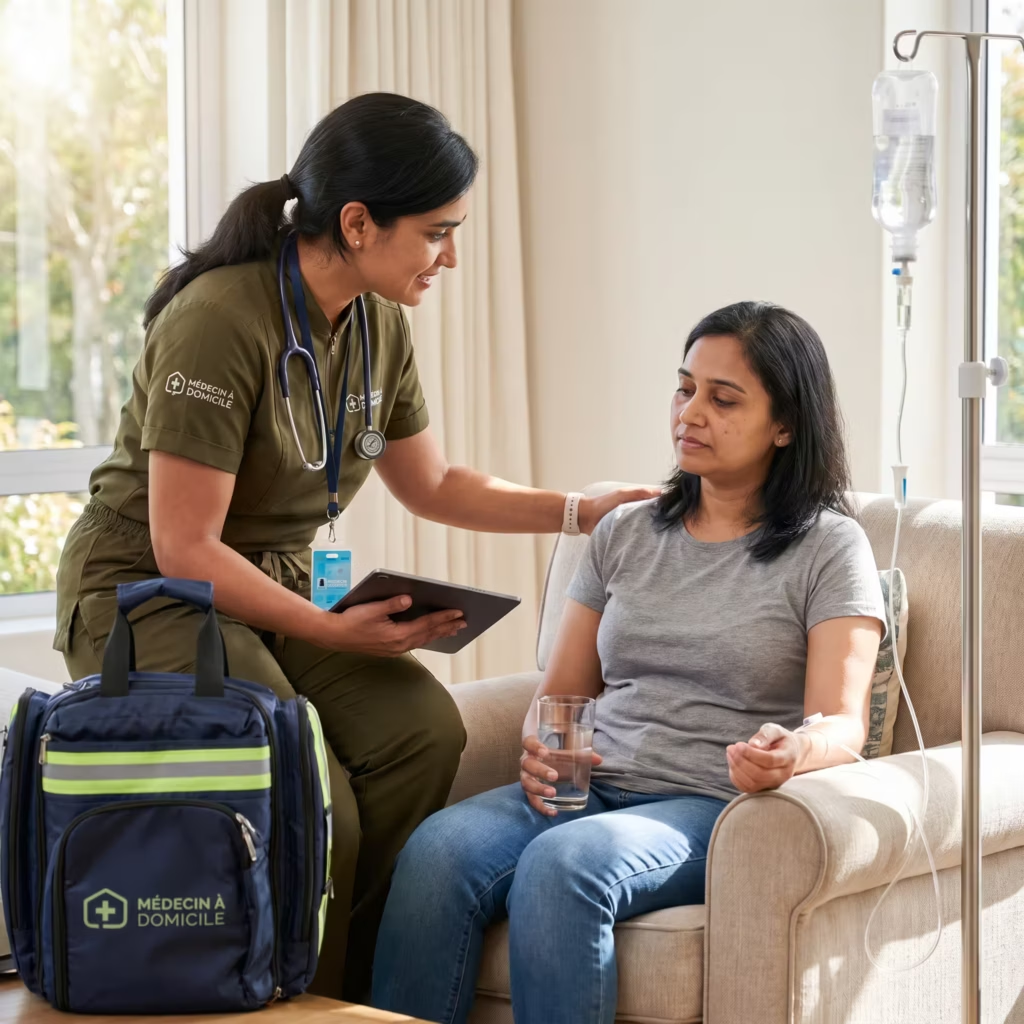
In many cases this no longer requires a hospital visit. Medecin a Domicile provides medically supervised IV fluids and IM/IV treatments at home across Mauritius, so a patient who is weak, dizzy, or vomiting does not have to travel. A doctor evaluates the patient, confirms that IV rehydration is appropriate, administers it safely, and monitors the response. To arrange a visit, call 86121.
Medical rehydration versus wellness IV therapy
It is worth understanding the difference between two distinct services. Medical IV rehydration is a treatment given when a person is unwell and dehydrated, always following assessment by a doctor. Separately, elective Hydravit IV therapy is a wellness service designed to support general hydration, energy, and recovery for people who are not acutely ill. If you are sick, vomiting, or showing the warning signs above, you need a medical assessment first, not a wellness drip. If you are simply looking to top up hydration and energy when you are otherwise well, Hydravit is the appropriate option.
Information for Tourists
Travellers are especially prone to dehydration in Mauritius, through a combination of heat, sun, and the occasional bout of travellers’ diarrhoea or food poisoning. A holiday illness that leaves you unable to keep fluids down can escalate quickly.
If you become dehydrated at your hotel, a doctor can come to you rather than you having to find a clinic. A doctor can visit tourists 24/7 anywhere in Mauritius, assess the level of dehydration, and provide oral or IV rehydration as needed. Call 86121 or WhatsApp +230 58 01 7777. Official invoices accepted by international travel insurers are provided.
Frequently Asked Questions
Can I just drink water to fix dehydration?
For mild dehydration, water helps. But when there is vomiting or diarrhoea, the body also loses salts, so an oral rehydration solution works better than water alone because it replaces both.
Is an IV drip always necessary for dehydration?
No. Most mild dehydration resolves with oral fluids taken steadily. IV fluids are reserved for cases where a person cannot drink, cannot keep fluids down, or shows warning signs, and that decision should be made by a doctor.
How do I know if my child is dehydrated?
Look for fewer wet nappies, no tears when crying, a dry mouth, sunken eyes, or unusual drowsiness. Because children dehydrate faster than adults, seek medical advice quickly if you notice these signs. Call 86121 for a home visit.
How quickly do IV fluids work?
Because they go directly into the bloodstream, IV fluids restore hydration faster than drinking, and many patients feel noticeably better within the visit. A doctor monitors the response and addresses the underlying cause as well.
Can a doctor give IV fluids at home in Mauritius?
Yes. Medecin a Domicile provides medically supervised IV rehydration at home across the island. A doctor first assesses whether it is appropriate, then administers and monitors it. Call 86121 for a 24/7 home visit.
Dehydration is easy to correct when caught early and serious when ignored. Keep fluids up, know the warning signs, and act quickly for children and elderly patients. If someone cannot keep fluids down or is showing warning signs, call 86121 for a doctor at your door, 24/7, anywhere in Mauritius.
This article is general health information and not a substitute for professional medical advice. See our Medical Disclaimer.