
Mosquito Protection in Mauritius: A Complete Guide for Families in 2026
Mauritius is dealing with two mosquito-borne disease outbreaks simultaneously in 2026. Chikungunya has surpassed 2,800 confirmed cases since January, prompting a CDC travel alert on May 14. Dengue fever remains an ongoing risk during the warmer months. Both diseases are transmitted by the same mosquito: the Aedes albopictus, a daytime biter found in every district on the island.
There is no widely available vaccine for either disease in Mauritius. Prevention comes down to one thing: not getting bitten. This guide covers everything families need to know about protecting themselves from mosquito bites, eliminating breeding sites around the home, choosing the right repellents, and keeping children and elderly family members safe.
Understanding the Threat: Why 2026 Is Different
Mauritius has always had mosquitoes. What makes 2026 different is the scale. The chikungunya outbreak is the largest since 2009, driven by a new ECSA-2 lineage that swept through the Indian Ocean region starting with Reunion Island in 2024-2025. Meanwhile, dengue fever continues to circulate during its traditional peak season of March to May.
Both viruses are carried by the same Aedes albopictus mosquito. This means a single bite can potentially transmit either virus. The good news: the same prevention measures protect against both. Every step you take to avoid mosquito bites reduces your risk of dengue and chikungunya simultaneously.
Know Your Enemy: The Aedes Mosquito
The Aedes albopictus (Asian tiger mosquito) is the primary disease-carrying mosquito in Mauritius. Understanding its behaviour is the key to effective prevention.
It bites during the day. Unlike malaria-carrying mosquitoes that bite at night, the Aedes is most active during early morning (6-8 a.m.) and late afternoon (4-6 p.m.). This means bed nets alone are not enough. You need protection during your waking hours too.
It breeds in small amounts of water. The Aedes does not need ponds, rivers, or large water bodies. It breeds in any small collection of standing water: a bottle cap, a flower pot saucer, a discarded tyre, a clogged gutter, a pet bowl. A single female mosquito can lay up to 200 eggs at a time, and the eggs can survive dry conditions for months, hatching when water returns.
It lives close to humans. The Aedes is an urban and suburban mosquito. It thrives in and around homes, gardens, and buildings. You are most likely to be bitten at home, not in the wilderness.
It is recognisable. The Aedes albopictus has distinctive black and white striped legs and a black body with a white stripe down the centre of its back. If you see this mosquito in your home, take it seriously.
Personal Protection: How to Avoid Bites
Choosing the right repellent
Not all mosquito repellents are equal. For effective protection against Aedes mosquitoes, look for products containing DEET (20-30% concentration provides 4-6 hours of protection and is recommended by the WHO and CDC), Picaridin/Icaridin (20% concentration, comparable to DEET with less skin irritation), IR3535 (effective but may require more frequent reapplication), or oil of lemon eucalyptus/PMD (natural option, effective for 2-3 hours but not recommended for children under 3).
Apply repellent to all exposed skin, not just arms and legs. Mosquitoes will find any unprotected area. Reapply after swimming, sweating heavily, or after the recommended duration. Repellent can be applied over sunscreen. Apply sunscreen first, let it absorb, then apply repellent on top.
Clothing
Wear long-sleeved shirts and long trousers during peak mosquito hours (early morning and late afternoon). Light-coloured clothing is preferable as mosquitoes are more attracted to dark colours. Loose-fitting clothing is better than tight-fitting because mosquitoes can bite through fabric that is pressed against the skin. For additional protection, clothing can be treated with permethrin spray, which repels and kills mosquitoes on contact. Treated clothing remains effective through several washes.
Inside the home
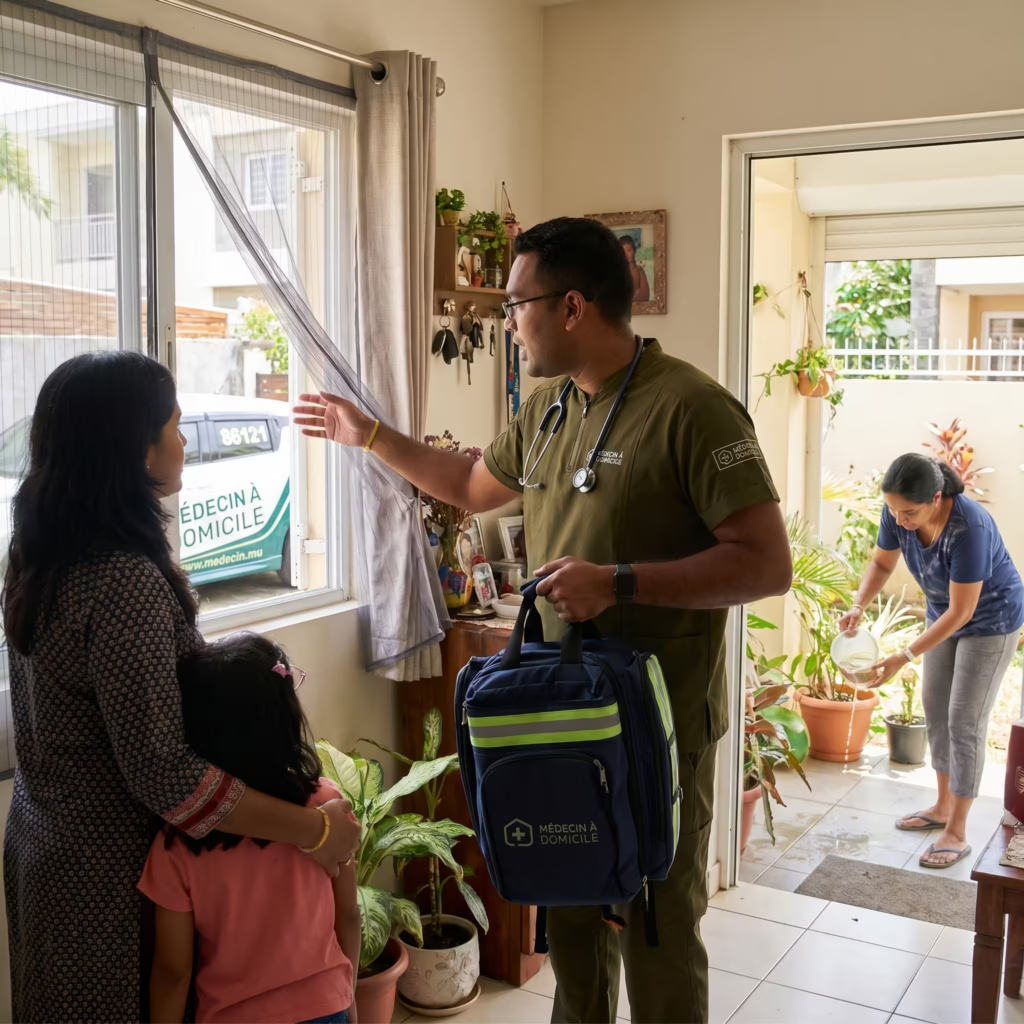
Install mesh screens on all windows and doors. Repair any holes in existing screens. Use electric plug-in mosquito repellent devices (liquid vaporisers) rather than burning coils, which produce smoke that can trigger asthma attacks. Air conditioning reduces mosquito activity indoors as mosquitoes prefer warm, humid air. Keep doors and windows closed during peak mosquito hours if screens are not installed.
Sleeping
Use mosquito nets over beds, especially for infants, young children, and elderly patients. Treated nets (insecticide-treated nets, ITNs) provide additional protection. Tuck the net under the mattress to prevent mosquitoes from entering underneath. Check the net regularly for holes and repair them.
Eliminating Breeding Sites: The 10-Minute Weekly Check
The most effective thing any family in Mauritius can do right now is spend 10 minutes each week eliminating standing water around their home. This single habit prevents more infections than any repellent.
Your weekly checklist
Walk around your property once a week and check these items. Empty and scrub flower pot saucers, plant trays, and drip trays. Tip out any water in buckets, watering cans, and unused containers. Cover water storage tanks and barrels with tight-fitting lids. Clear leaves and debris from gutters and drains. Check and empty pet water bowls and bird baths regularly, replacing with fresh water. Dispose of old tyres, cans, bottles, and any rubbish that can collect water. Change water in flower vases at least once a week. Check around air conditioning units for pooled condensation water. Turn over wheelbarrows, boats, and other items that can collect rainwater. Check children’s toys left outdoors (sandpit toys, buckets, toy vehicles).
Garden and outdoor areas
Keep grass and vegetation trimmed, as mosquitoes rest in shaded, overgrown areas during the heat of the day. Fill in any low spots in the garden where water pools after rain. If you have a swimming pool, keep it chlorinated and maintained even when not in use. An unmaintained pool is a massive mosquito breeding site. For ornamental ponds, consider adding mosquito-eating fish (such as guppies or gambusia) which consume mosquito larvae.
Community responsibility
Mosquito prevention only works if your neighbours are doing it too. A single neglected property with standing water can produce enough mosquitoes to affect an entire street. Report uncollected rubbish, abandoned properties with standing water, and blocked drains to your local municipality. Encourage neighbours to do their own weekly check. During an active outbreak, community-wide effort is not optional. It is essential.
Protecting Children from Mosquito Bites
Children are often the most exposed to mosquito bites because they play outdoors, wear less clothing in warm weather, and may not apply repellent properly.
For infants under 2 months, do not use chemical repellents. Use mosquito nets over the cot, pram, and car seat. Dress the baby in loose, light-coloured clothing covering arms and legs. For children 2 months and older, DEET-based repellents at 10-20% concentration are safe when applied by an adult. Avoid applying near the eyes, mouth, and hands (children put hands in their mouths). Oil of lemon eucalyptus should not be used on children under 3. For all children, dress them in long sleeves and trousers during early morning and late afternoon outdoor play. After outdoor play, check for mosquito bites and apply anti-itch cream if needed.
If your child develops fever and joint pain or body aches, do not assume it is just a cold. During an active outbreak, these symptoms should be medically evaluated. A home doctor can assess your child at your home without the stress of a clinic visit.
Protecting Elderly Family Members
Elderly patients face higher risks from both chikungunya and dengue. Chikungunya joint pain tends to be more severe and longer-lasting in older patients. Dengue-related dehydration is more dangerous when the body has reduced reserves.
Ensure mosquito nets are used over the bed. Apply repellent for elderly family members who may not do it themselves. Keep the home well-screened, especially the bedroom. Monitor for symptoms: sudden fever with joint pain (chikungunya) or fever with body aches and pain behind the eyes (dengue). If an elderly family member develops symptoms, a home doctor visit is the safest option. It avoids travel and hospital waiting room exposure while providing professional assessment and treatment at home.
For Tourists Visiting Mauritius
The CDC travel alert does not mean you should avoid Mauritius. Thousands of tourists visit safely during mosquito season every year. The key is preparation.
Pack a DEET-based repellent (30% concentration) and apply it daily. Choose accommodation with screened windows or air conditioning. Avoid outdoor activities during peak mosquito hours (early morning and late afternoon) or apply repellent beforehand. If you develop fever with joint pain during or within 2 weeks of your visit, seek medical attention and mention your travel to Mauritius. You do not need to find a clinic. A doctor can visit your hotel room 24/7. Call 86121.
When to Call a Doctor
Despite your best prevention efforts, bites can still happen. If you or a family member develops the following symptoms, seek medical evaluation.
- Sudden high fever (38.5 degrees C or above)
- Severe joint pain, especially in hands, wrists, ankles, or feet
- Intense body aches or muscle pain
- Severe headache or pain behind the eyes
- Skin rash appearing after fever
- Persistent vomiting or inability to keep fluids down
- Any of the above in a child, elderly person, or pregnant woman
A home doctor from Medecin a Domicile can assess whether the illness is chikungunya, dengue, or another infection, administer IV fluids and medication, and provide treatment at your bedside. Call 86121 at any time, day or night.
Frequently Asked Questions
What is the best mosquito repellent to use in Mauritius?
DEET-based repellents at 20-30% concentration are recommended by the WHO and CDC for protection against Aedes mosquitoes. Picaridin (20%) is an effective alternative with less skin irritation. Apply to all exposed skin and reapply every 4-6 hours.
Can I get both dengue and chikungunya at the same time?
Yes. Since both viruses are transmitted by the same mosquito species, co-infection is possible though uncommon. The prevention measures are identical for both diseases.
Are mosquito coils safe to use indoors?
Mosquito coils produce smoke containing particulate matter that can irritate the airways and trigger asthma attacks. Electric plug-in vaporisers are a safer indoor alternative, especially in households with children, elderly, or asthma patients.
When are mosquitoes most active in Mauritius?
The Aedes albopictus mosquito is most active during early morning (6-8 a.m.) and late afternoon (4-6 p.m.). Unlike malaria mosquitoes, the Aedes bites during daylight hours, not at night.
Is the chikungunya outbreak only in certain areas?
Transmission has been concentrated in the Plaines Wilhems district, but cases have been detected across multiple districts. Mosquito prevention should be practised island-wide regardless of your location.
The best defence against mosquito-borne disease is prevention. Spend 10 minutes each week eliminating standing water, use repellent daily, and protect your family. If symptoms develop, call 86121 for a 24/7 home doctor visit anywhere in Mauritius.