
Chikungunya Outbreak Mauritius 2026: What Families and Travellers Need to Know
On May 14, 2026, the US Centers for Disease Control and Prevention (CDC) issued a travel health notice for Mauritius due to an ongoing chikungunya outbreak. Since January 2026, over 2,800 confirmed cases have been reported across the island, with transmission concentrated in the Plaines Wilhems district and surrounding areas.
This is the most significant chikungunya outbreak in Mauritius since 2009, when more than 12,000 cases were recorded. The virus, transmitted by the Aedes albopictus mosquito, causes sudden fever followed by severe joint pain that can last weeks, months, or in some cases over a year.
This article provides the latest information on the 2026 outbreak, what families in Mauritius should do to protect themselves, and what tourists need to know before and during their visit.
The Current Situation (May 2026)
As of May 11, 2026, the Ministry of Health and Wellness has confirmed 2,816 locally acquired chikungunya cases since January. The outbreak follows the regional pattern seen across the Southwest Indian Ocean, with Reunion Island recording approximately 450,000 cases in 2025, and Mayotte, Madagascar, and Seychelles also affected.
The Mauritius outbreak is driven by the ECSA-2 lineage of the chikungunya virus, a strain that emerged in Reunion in 2024 and has since spread across the Indian Ocean region. The primary vector is the Aedes albopictus mosquito, which is widespread across Mauritius and bites mainly during daytime hours.
Areas most affected
Transmission has been particularly concentrated in the lower and middle Plaines Wilhems district. Earlier in the outbreak, cases were confirmed in Rose-Hill (Plaisance, Roches-Brunes, Camp Levieux), Cite La Cure, Pereybere, and Plaine Magnien. As of May 2026, cases have been detected across multiple districts, indicating wider community transmission.
The CDC travel alert
The CDC’s May 14 travel notice advises US travellers visiting Mauritius to protect themselves by preventing mosquito bites. The CDC also recommends that eligible travellers consider chikungunya vaccination before travel. The chikungunya vaccine (Ixchiq) is approved in the US for adults aged 18 and older who are at increased risk of exposure, though it is not yet widely available in Mauritius.
How to Protect Your Family Right Now
With active transmission across the island, every family in Mauritius should be taking mosquito prevention seriously. The same measures protect against both chikungunya and dengue fever, which also circulates in Mauritius.
Personal protection
Apply insect repellent containing DEET (20-30%) on exposed skin, especially during morning and late afternoon hours when Aedes mosquitoes are most active. Wear long-sleeved shirts and long trousers when outdoors. Use mosquito nets over beds, particularly for infants, young children, and elderly patients. Install or repair window and door screens. Use electric mosquito repellent devices indoors rather than coils (which can trigger asthma attacks in sensitive individuals).
Eliminate breeding sites
Empty all containers that collect standing water: flower pot saucers, buckets, old tyres, gutters, pet bowls, and birdbaths. Cover water storage tanks with tight-fitting lids. Change water in vases and plant trays at least once a week. Clear blocked drains and gutters regularly. Keep swimming pools chlorinated. A single uncovered container can produce hundreds of mosquitoes.
Report and act
If you see increased mosquito activity in your neighbourhood, report it to your local municipality for fumigation and larviciding. Community-wide effort is essential: your prevention efforts are undermined if neighbours are not doing the same.
Recognising Chikungunya Symptoms
Symptoms typically appear 4 to 8 days after being bitten by an infected mosquito. The hallmark of chikungunya is severe joint pain, which distinguishes it from other febrile illnesses.
Key symptoms
Sudden high fever (often 39-40 degrees C). Severe joint pain, typically affecting hands, wrists, ankles, feet, and knees, usually symmetrical (both sides). Joint swelling and stiffness. Muscle pain. Headache. Skin rash appearing 2 to 5 days after fever onset. Fatigue and weakness.
How it differs from dengue
Both viruses are spread by the same mosquito and circulate simultaneously in Mauritius. Chikungunya causes more intense, localised joint pain (especially in the small joints of hands and feet), while dengue tends to cause more generalised body aches and pain behind the eyes. Bleeding complications are associated with severe dengue but not chikungunya. A doctor can clinically distinguish between the two.
The chronic joint pain problem
This is the most challenging aspect of chikungunya: 30 to 60% of patients continue to experience joint pain for weeks to months after the fever resolves. Elderly patients and those with pre-existing joint conditions are at highest risk of prolonged symptoms. Read our complete chikungunya guide for detailed information on chronic joint pain management.
When to Call a Doctor
Not every suspected chikungunya case needs a doctor, but many do, especially if symptoms are severe or the patient is vulnerable.
Call 86121 if:
- Fever persists beyond 5 days without improvement
- Joint pain is so severe that the patient cannot walk or use their hands
- The patient cannot keep fluids down
- Signs of dehydration appear (dark urine, dizziness, dry mouth)
- The patient is an infant, a child under 5, elderly, or pregnant
- The patient has a chronic condition (diabetes, heart disease, arthritis)
- Joint pain persists beyond 2 to 3 weeks after fever resolves
- You are unsure whether the illness is chikungunya or dengue
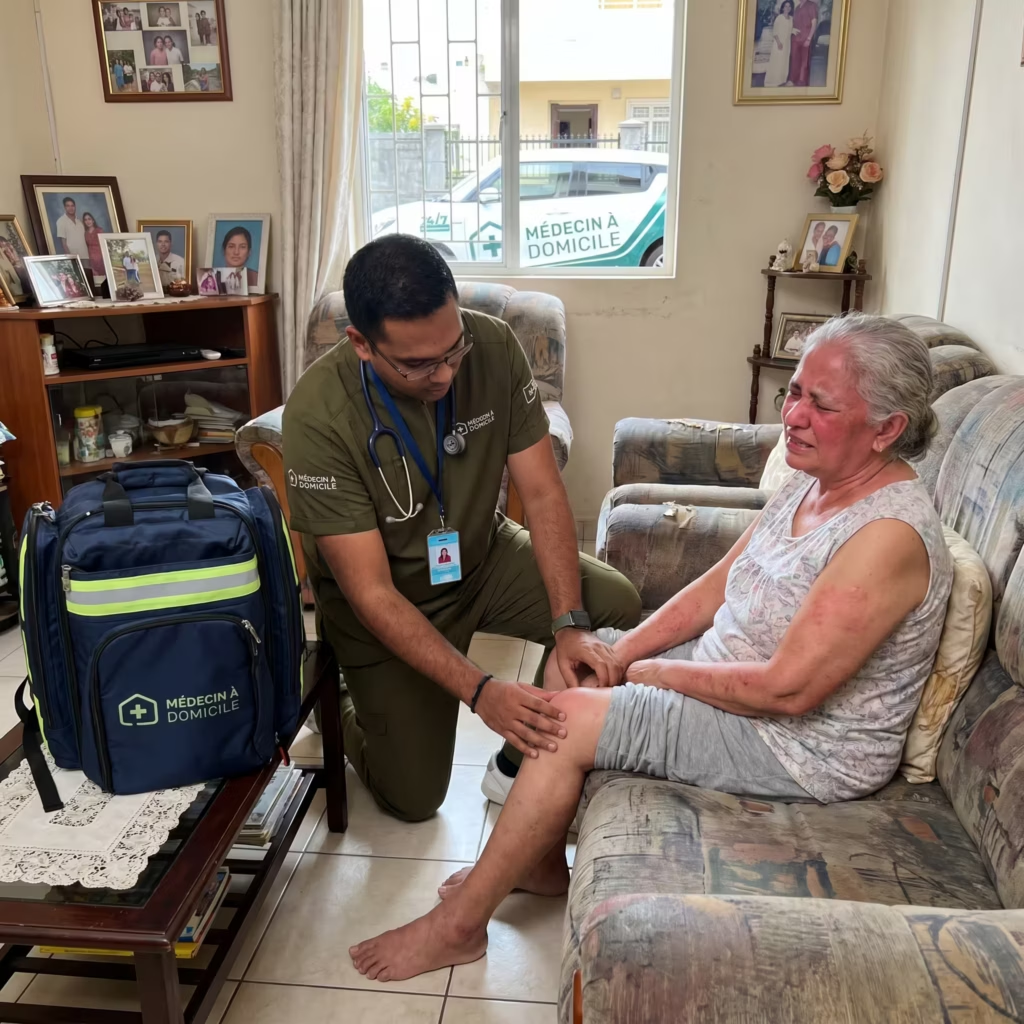
A home doctor from Medecin a Domicile can assess the severity, distinguish chikungunya from dengue clinically, administer IV fluids for dehydration and pain medication, prescribe appropriate anti-inflammatory treatment, and arrange blood tests for confirmation.
Information for Tourists
If you are currently visiting Mauritius or planning a trip, the outbreak does not mean you should cancel. The risk to travellers can be managed with proper mosquito bite prevention. However, you should be aware of the following.
The CDC recommends eligible travellers consider chikungunya vaccination before travel if available. Use insect repellent consistently, especially during the day. If you develop fever and joint pain during or after your visit, seek medical attention and mention your travel to Mauritius. If you fall ill at your hotel, you do not need to find a clinic. A doctor can visit your hotel room 24/7 anywhere in Mauritius. Call 86121 or WhatsApp +230 58 01 7777.
Travel insurance typically covers medical consultations for chikungunya. Medecin a Domicile provides official medical invoices accepted by international insurers.
Managing Chikungunya at Home
Most cases are managed at home with supportive care. Rest and hydrate aggressively. Take paracetamol for fever and pain. Avoid aspirin and ibuprofen until dengue has been ruled out by a doctor, as these can increase bleeding risk in dengue. Once chikungunya is confirmed, anti-inflammatory medication (ibuprofen) may be appropriate for joint pain. Apply cold compresses to swollen joints. Gentle movement of affected joints helps prevent stiffness. Monitor for warning signs, especially between days 3 and 7.
For the full management guide, including chronic joint pain, elderly care, and children’s symptoms, read our complete chikungunya article.
Frequently Asked Questions
How many chikungunya cases are there in Mauritius in 2026?
As of May 11, 2026, over 2,800 confirmed locally acquired cases have been reported since January. Transmission is concentrated in the Plaines Wilhems district but cases have been detected across multiple areas.
Has the CDC issued a travel alert for Mauritius?
Yes. On May 14, 2026, the US CDC issued a travel health notice for Mauritius due to the chikungunya outbreak, advising travellers to prevent mosquito bites and consider vaccination if eligible.
Can I still travel to Mauritius during the outbreak?
Yes. The outbreak is manageable with proper mosquito bite prevention. Use insect repellent, wear protective clothing, and stay in accommodations with screens or air conditioning. If you develop symptoms, call 86121 for a doctor at your hotel.
Is there a vaccine for chikungunya?
A chikungunya vaccine (Ixchiq) is approved in the US for adults 18+ at increased risk of exposure. It is not yet widely available in Mauritius. The CDC recommends eligible travellers consider vaccination before visiting outbreak areas.
Can a doctor treat chikungunya at home?
Yes. A home doctor can assess severity, administer IV fluids and pain medication, prescribe anti-inflammatory treatment, and arrange blood tests. Most cases are managed at home without hospitalisation. Call 86121 for a 24/7 home visit.
The chikungunya outbreak in Mauritius is ongoing. Protect your family by preventing mosquito bites, eliminating standing water, and knowing when to seek medical help. If you develop fever with joint pain, call 86121 for a doctor at your door, 24/7, anywhere in Mauritius.