
Joint Pain After Chikungunya: What to Do When the Fever Goes But the Pain Stays
The fever lasted a week. The rash faded. You were told you had recovered from chikungunya. But your hands still ache every morning. Your knees feel stiff when you stand up. Your wrists hurt when you grip a cup. Weeks have passed, maybe months, and the joint pain is still there.
You are not imagining it. And you are not alone.
With over 2,800 confirmed chikungunya cases in Mauritius since January 2026, thousands of patients across the island are now entering the post-acute phase, the period after the fever resolves when chronic joint pain can persist for weeks, months, or in some cases over a year. Studies show that 30 to 60% of chikungunya patients experience prolonged joint symptoms. For many, this is more debilitating than the acute illness itself.
This guide is for the patients in Mauritius who thought they were done with chikungunya, only to discover that the hardest part is still ahead.
Why the Joint Pain Persists
During a chikungunya infection, the virus targets the synovial tissue (the lining of the joints) and triggers an intense inflammatory response. Even after the virus is cleared from the blood, the inflammation in the joints can continue independently, driven by the immune system’s ongoing reaction to the tissue damage caused during the acute infection.
This is not a new infection. It is the aftermath of the original one. The virus is gone, but the inflammation it triggered remains active in the joint tissue. This is why antibiotics do not help, and why the pain can flare and recede unpredictably.
Which joints are most affected
Post-chikungunya arthritis most commonly affects the small joints of the hands and wrists, ankles and feet, knees, and shoulders. The pattern is typically symmetrical, meaning both hands, both ankles, or both knees are affected rather than just one side. This symmetry is a distinguishing feature that helps doctors differentiate post-chikungunya arthritis from other causes of joint pain.
Who is most likely to develop chronic symptoms
Not everyone who gets chikungunya will have lasting joint pain. Risk factors for chronic symptoms include age over 45 (older patients are significantly more likely to develop prolonged arthritis), pre-existing joint conditions such as osteoarthritis or rheumatoid arthritis, severe joint pain during the acute phase (the worse the initial pain, the more likely it persists), diabetes and other chronic conditions that affect the immune response, and female sex (some studies show women are more affected by chronic chikungunya arthritis).
What Post-Chikungunya Joint Pain Feels Like
Patients describe the experience in different ways, but common patterns include morning stiffness that lasts 30 minutes or more after waking, joint pain that fluctuates in intensity from day to day or week to week, swelling that comes and goes in the hands, wrists, or ankles, difficulty with fine motor tasks such as writing, typing, buttoning clothes, or opening jars, fatigue that seems disproportionate to the level of activity, and pain that worsens with weather changes, stress, or physical exertion.
For many patients, the unpredictability is the hardest part. Some days are almost normal. Others feel like a setback. This pattern of flares and remissions is characteristic of post-chikungunya arthritis and does not mean the condition is worsening. It typically improves over time, though the timeline varies from person to person.
Managing Chronic Joint Pain at Home
Anti-inflammatory medication
Non-steroidal anti-inflammatory drugs (NSAIDs) such as ibuprofen or naproxen are the first-line treatment for post-chikungunya joint pain. Unlike paracetamol, which only reduces pain, NSAIDs also reduce the underlying inflammation that is causing the symptoms. These should be taken as prescribed by a doctor, typically with food to protect the stomach. Long-term NSAID use requires medical monitoring, especially in elderly patients and those with kidney or stomach issues.
Gentle exercise and movement
Rest is important during flares, but prolonged inactivity makes joint stiffness worse. Gentle, regular movement helps maintain range of motion, prevent muscle wasting, and reduce stiffness. Walking at a comfortable pace for 15 to 20 minutes daily. Gentle stretching of the hands, wrists, ankles, and knees each morning. Swimming or water-based exercises, which support the joints while allowing movement. Yoga or tai chi, which combine gentle movement with relaxation. Avoid high-impact activities (running, jumping, heavy lifting) that stress the joints during the recovery period.
Heat and cold therapy
Warm compresses or a warm bath in the morning can help ease stiffness and improve mobility. Cold packs applied to swollen, inflamed joints for 15 to 20 minutes can reduce swelling and numb acute pain. Alternate between heat (for stiffness) and cold (for swelling) based on what provides the most relief.
Rest and pacing
On high-pain days, allow yourself to rest without guilt. On better days, be active but pace yourself. Overdoing it on good days often triggers a flare the following day. Finding a sustainable balance between activity and rest is key to long-term recovery.
Diet and hydration
Stay well hydrated, as dehydration can worsen joint stiffness. Foods rich in omega-3 fatty acids (oily fish, walnuts, flaxseed) have natural anti-inflammatory properties. Fruits and vegetables high in antioxidants (berries, leafy greens, citrus) support the immune system’s recovery. Limit processed foods, refined sugar, and alcohol, which can increase inflammation.
When to See a Doctor for Chronic Joint Pain
While some degree of joint discomfort after chikungunya is expected, certain situations warrant medical evaluation.
Call 86121 if:
- Joint pain persists beyond 3 weeks after the fever resolved
- Pain is worsening rather than gradually improving
- Joint swelling is significant or increasing
- The pain is preventing you from working, sleeping, or performing daily tasks
- You are taking NSAIDs daily for more than 2 weeks without medical guidance
- You develop new symptoms such as skin rashes, eye inflammation, or urinary problems alongside joint pain
- You are elderly and the pain is affecting your mobility and independence
What a doctor can do
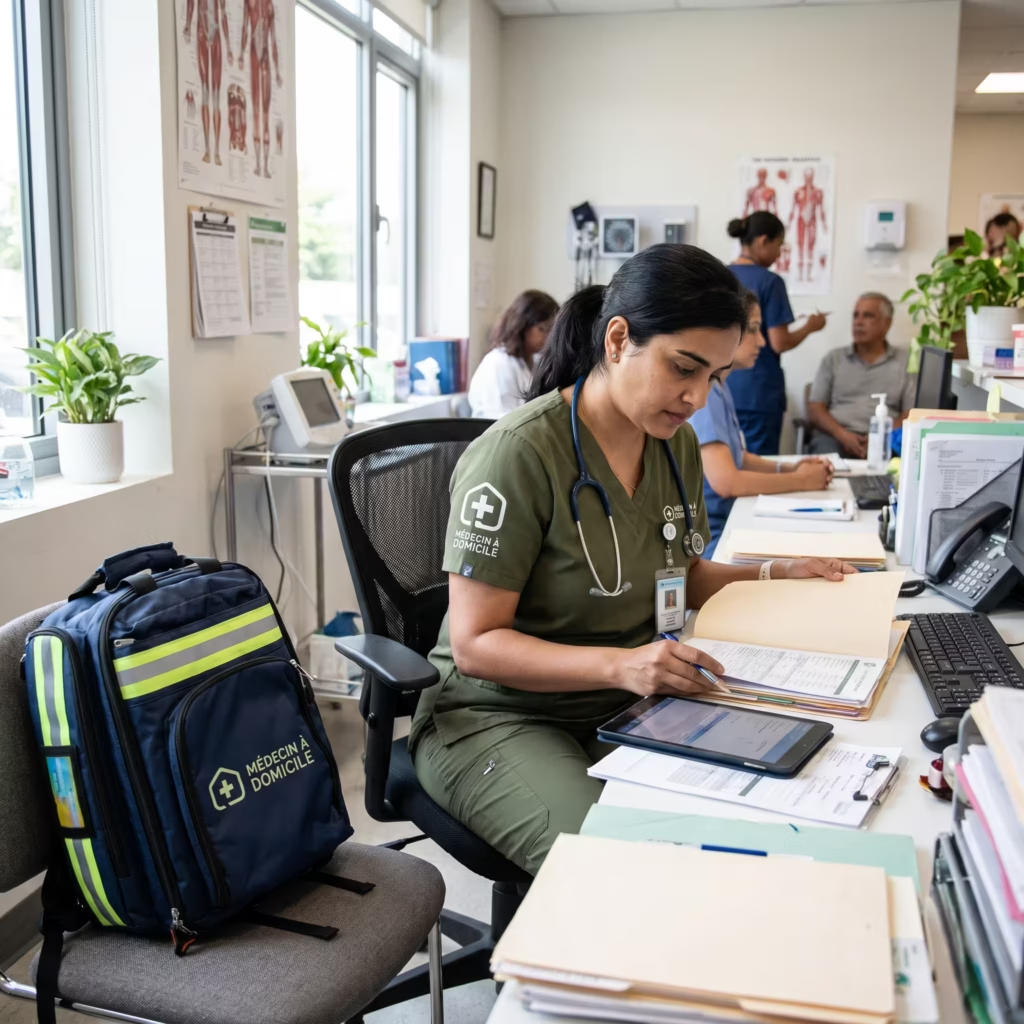
A home doctor from Medecin a Domicile can perform a clinical joint assessment at your home, review your current medication and adjust the anti-inflammatory regimen, administer pain relief via intramuscular injection or IV for severe flares, prescribe stronger anti-inflammatory or disease-modifying medication if NSAIDs alone are not sufficient, arrange blood tests to rule out other causes of joint pain (such as rheumatoid arthritis or gout), and refer to a rheumatologist if the symptoms suggest a more complex inflammatory condition.
For elderly patients with chronic post-chikungunya pain, regular monthly home doctor visits provide structured ongoing management without the physical strain of clinic travel.
How Long Does Post-Chikungunya Joint Pain Last?
There is no single answer because recovery varies significantly between patients. Based on published medical studies, approximately 40 to 50% of patients recover fully within 3 months. About 20 to 30% have symptoms lasting 6 to 12 months. Around 10 to 15% experience symptoms beyond 12 months. A small percentage may develop chronic inflammatory arthritis that requires long-term management.
The overall trend for most patients is gradual improvement. The pain does not disappear overnight, but it typically becomes less frequent, less intense, and less disruptive over time. Patients who engage in gentle regular exercise, follow anti-inflammatory treatment plans, and maintain a healthy lifestyle tend to recover faster.
Mental Health and Chronic Pain
Living with persistent pain after an illness you thought was over can take a toll on mental health. Frustration, anxiety about whether the pain will ever stop, difficulty sleeping, and reduced ability to do things you enjoy can all contribute to low mood or depression.
These feelings are normal and do not mean you are weak. Chronic pain affects mood. It is a medical reality, not a personal failing. If you are struggling, talk to someone you trust. Mention it to your doctor during a visit. Mental health support is a legitimate part of recovery from chikungunya, not a luxury.
Frequently Asked Questions
Is chronic joint pain after chikungunya normal?
Yes. Studies show that 30 to 60% of chikungunya patients experience joint pain persisting beyond the acute phase. It is one of the most well-documented long-term effects of the virus.
Will the joint pain go away eventually?
For most patients, yes. The majority recover fully within 3 to 12 months. A small percentage may develop chronic inflammatory arthritis requiring ongoing management. The overall trend is gradual improvement.
Can a home doctor help with chronic chikungunya pain?
Yes. A home doctor can assess your joints, adjust your medication, administer pain relief injections for severe flares, arrange blood tests, and refer to a specialist if needed. Call 86121 for a home visit.
Should I take ibuprofen every day?
NSAIDs like ibuprofen are effective for post-chikungunya joint pain, but daily use beyond 2 weeks should be supervised by a doctor. Long-term use can affect the stomach, kidneys, and cardiovascular system. A doctor can advise on the safest ongoing regimen.
Can I exercise with post-chikungunya joint pain?
Yes, gentle exercise is recommended. Walking, swimming, stretching, yoga, and tai chi help maintain joint function and reduce stiffness. Avoid high-impact activities during recovery. Listen to your body and rest during flares.
Is post-chikungunya arthritis the same as rheumatoid arthritis?
No. Post-chikungunya arthritis is triggered by the viral infection and is typically self-limiting. Rheumatoid arthritis is a chronic autoimmune condition. However, in rare cases, chikungunya can trigger or unmask an underlying autoimmune joint condition. A doctor can distinguish between them through clinical assessment and blood tests.
If chikungunya left you with pain that will not go away, you do not have to manage it alone. Professional medical support can make the recovery faster and more bearable. Call 86121 for a home doctor visit anywhere in Mauritius, 24/7. Visit medecin.mu.