
Gastroenteritis at Home in Mauritius: Treatment and When to Call a Doctor
Gastroenteritis, often called a stomach bug or simply “gastro”, is one of the most common illnesses families in Mauritius deal with. It causes vomiting, diarrhoea, stomach cramps, and sometimes fever, and it can spread quickly through a household. Most cases are caused by a virus, are unpleasant but short-lived, and settle within a few days with rest and careful fluid replacement.
The real risk with gastro is not the infection itself but the dehydration it can cause, especially in young children and the elderly. This guide explains how to manage a stomach bug safely at home, how to prevent it spreading, and the warning signs that mean a doctor should be involved.
What Causes Gastroenteritis?
Gastroenteritis is an inflammation of the stomach and intestines, usually triggered by an infection.
Common causes
Most cases are viral, caused by viruses such as norovirus or rotavirus, which spread easily from person to person and through contaminated surfaces. Bacterial gastroenteritis, often linked to food poisoning, can follow eating contaminated or poorly stored food. Less commonly, parasites and reactions to certain medications can also cause similar symptoms.
How it spreads
Gastro spreads through contact with an infected person, contaminated food or water, or unwashed hands. This is why outbreaks often move quickly through families, schools, and workplaces. Good hand hygiene is the single most effective way to limit its spread.
Recognising the Symptoms
Symptoms usually begin suddenly and may last from one to several days.
Typical symptoms
Watery diarrhoea. Nausea and vomiting. Stomach cramps and pain. A mild fever and headache. Loss of appetite. Tiredness and general weakness. In most healthy adults and children, these symptoms peak early and then steadily improve.
How long it lasts
Viral gastroenteritis typically resolves within two to four days, though tiredness can linger a little longer. Symptoms that persist beyond this, or that are severe from the outset, deserve medical attention.
How to Treat Gastroenteritis at Home
There is no medicine that cures a viral stomach bug. Treatment is about staying hydrated, resting, and letting the body recover.
Replace fluids carefully
This is the most important step. Sip fluids little and often rather than drinking large amounts at once, which can trigger more vomiting. Use an oral rehydration solution (ORS) to replace the salts lost through vomiting and diarrhoea, as water alone does not fully replace them. Learn the warning signs of dehydration and when IV fluids are needed.
Ease back into eating
Once vomiting settles, reintroduce plain, easily digested foods such as rice, toast, bananas, or plain crackers. There is no need to starve, and children should return to their normal diet as soon as they can tolerate it. Avoid very fatty, spicy, or sugary foods until you feel better.
Manage symptoms sensibly
Rest as much as possible. Paracetamol can help with fever or aches if needed, taken at the recommended dose. Avoid anti-diarrhoea medicines in children, and do not use them if there is blood in the stool or a high fever, as they can occasionally cause harm. If in doubt, ask a doctor.
When to Call a Doctor
Most stomach bugs clear up at home, but some situations need medical assessment, mainly because of the risk of dehydration or a more serious infection.
Call 86121 if:
- There are signs of dehydration: very little urine, dizziness, dry mouth, sunken eyes, or unusual drowsiness
- Vomiting is constant and no fluids can be kept down
- There is blood or mucus in the stool, or black stools
- There is severe or constant abdominal pain
- A high fever accompanies the symptoms
- Symptoms last longer than three to four days without improvement
- The patient is a baby, a young child, elderly, pregnant, or has a chronic condition such as diabetes or kidney disease
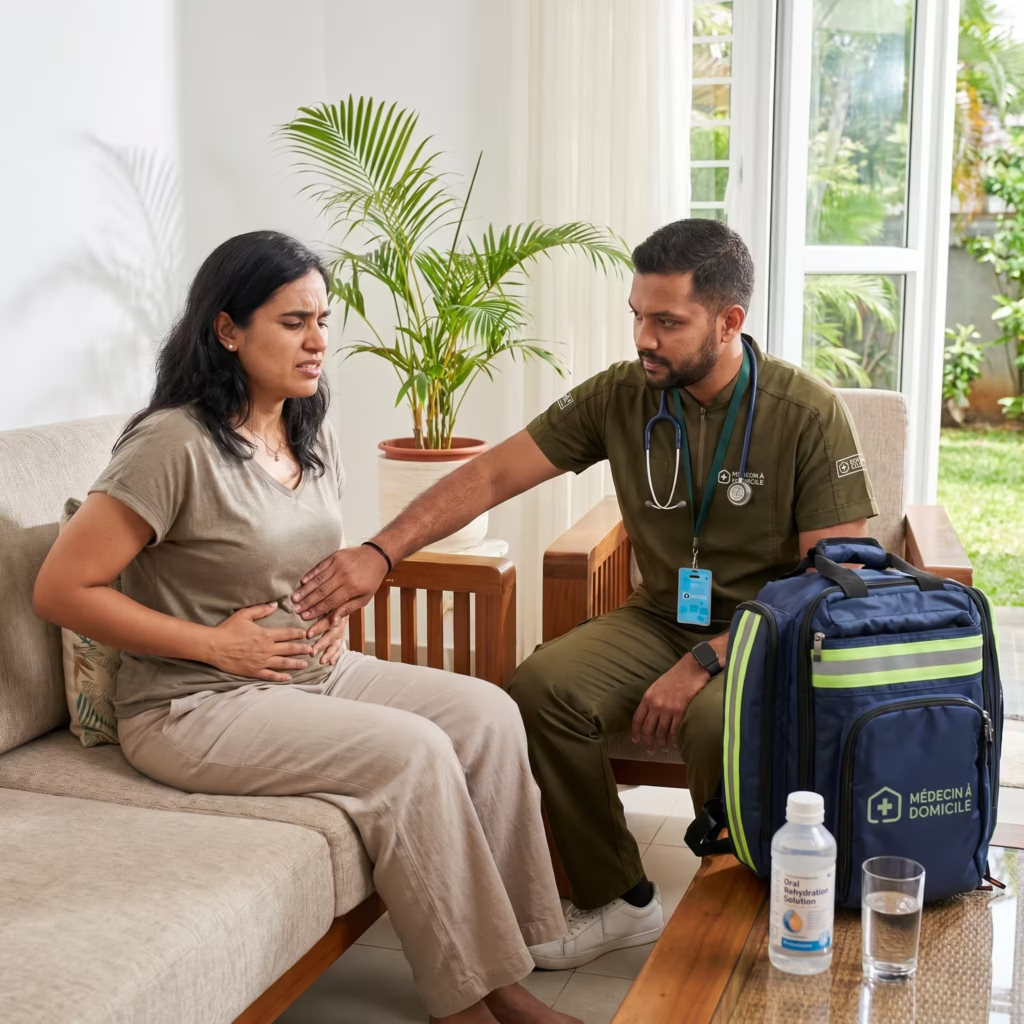
A home doctor from Medecin a Domicile can assess how dehydrated the patient is, provide anti-sickness treatment, administer IV fluids when oral rehydration is not enough, and arrange tests if a more serious cause is suspected, all without a stressful trip out while unwell.
Preventing the Spread at Home
Gastro is highly contagious, so a few simple measures protect the rest of the household. Wash hands thoroughly with soap and water after using the toilet and before preparing food. Clean and disinfect shared surfaces, taps, and toilet handles. Do not share towels, cutlery, or cups with the sick person. Keep the unwell person home from work or school until at least 48 hours after symptoms stop. Wash soiled clothing and bedding separately on a hot cycle.
Information for Tourists
Travellers’ diarrhoea and stomach upsets are among the most common illnesses visitors experience, often from a change in food, water, or simply the heat. A bout of gastro can quickly leave you dehydrated, particularly in a warm climate.
If you fall ill at your hotel, you do not need to find a clinic while feeling unwell. A doctor can visit tourists 24/7 anywhere in Mauritius, assess your symptoms and hydration, and provide treatment or IV fluids if needed. Call 86121 or WhatsApp +230 58 01 7777. Official medical invoices accepted by international travel insurers are provided.
Frequently Asked Questions
How long does gastroenteritis last?
Most viral cases improve within two to four days, although tiredness can persist a little longer. Symptoms lasting beyond this, or that are severe, should be assessed by a doctor.
What should I eat with a stomach bug?
Once vomiting settles, choose plain, easily digested foods such as rice, toast, bananas, or crackers, and return to a normal diet gradually. Keep up fluids throughout, ideally with an oral rehydration solution.
When is gastro dangerous in a child?
Watch for fewer wet nappies, no tears, a dry mouth, drowsiness, or refusal to drink. Children dehydrate faster than adults, so seek medical advice quickly if these appear. Call 86121 for a home visit.
Should I take anti-diarrhoea medicine?
Adults with mild symptoms sometimes use them, but they should be avoided in children, and in anyone with blood in the stool or a high fever. When unsure, ask a doctor before taking them.
Can a doctor treat gastroenteritis at home in Mauritius?
Yes. A home doctor can assess dehydration, give anti-sickness treatment and IV fluids if required, and check for more serious causes. Call 86121 for a 24/7 home visit anywhere on the island.
A stomach bug is usually short-lived, and careful hydration is the key to a smooth recovery. But dehydration can develop quickly, especially in children and the elderly. If you see warning signs or symptoms are not improving, call 86121 for a doctor at your door, 24/7, anywhere in Mauritius.
This article is general health information and not a substitute for professional medical advice. See our Medical Disclaimer.