
Heart Health in Mauritius: The Warning Signs to Know and How to Get Checked at Home
Every September, the world marks World Heart Day on the 29th. In Mauritius, the occasion deserves more than a passing mention, because cardiovascular disease is the island’s leading cause of death, and much of it builds silently for years before it announces itself.
The encouraging part is that heart disease is also one of the most preventable major illnesses. The risk factors are known, they are measurable, and most of them can be improved. The purpose of this guide is practical: to help you recognise the warning signs that matter, understand your own risk honestly, and know how a proper heart check works, including how it can be done at home.
Why Heart Disease Hits Mauritius So Hard
Mauritius carries a heavy combination of cardiovascular risk factors. Around one in five adults lives with diabetes, one of the highest rates in the world, and diabetes quietly damages blood vessels and the heart over years. High blood pressure is widespread and frequently undiagnosed, because it causes no symptoms. Add a diet that can be high in refined carbohydrates, salt and fried food, low physical activity, and smoking, and the result is a population where heart disease often develops early and silently.
Silently is the key word. Most people with developing heart disease feel completely fine. That is precisely why checking matters: the first symptom of undetected heart disease is, too often, a heart attack.
Heart Attack Warning Signs: Know These Cold
A heart attack is a medical emergency where every minute counts. The signs to act on immediately:
- Chest pain, pressure, tightness or squeezing, often in the centre of the chest, lasting more than a few minutes or coming and going
- Pain spreading to the arm (especially the left), shoulder, jaw, neck or back
- Shortness of breath, with or without chest pain
- Cold sweat, nausea, or light-headedness alongside the above
- Sudden, unexplained exhaustion, particularly in women, in whom heart attacks more often present without dramatic chest pain
If these signs appear, call SAMU on 114 immediately. Do not drive yourself, do not wait to see if it passes, and do not go to sleep hoping it will be gone by morning. Our team on 86121 can coordinate an ambulance and support, and our emergency guide explains what to do while help is on the way. But for a suspected heart attack, 114 comes first.
The Quieter Signs People Ignore
Between “perfectly fine” and “emergency” sits a set of symptoms that deserve assessment without panic. See a doctor about: breathlessness on effort that is new or worsening, such as struggling with stairs that used to be easy; palpitations, meaning the heart racing, fluttering or skipping beats at rest; chest discomfort on exertion that eases with rest; swelling of the ankles or legs; dizziness or fainting episodes; and waking at night short of breath.
None of these proves heart disease, and each has innocent explanations too. That is exactly what an assessment is for: an examination, an ECG, and basic tests separate the harmless from the serious, and both answers are worth having.
Know Your Numbers: The Risk Factors That Are Measurable
Heart risk is not a mystery. It is largely the product of a handful of measurable numbers, and most people in Mauritius do not know theirs.
Blood pressure. Consistently above 140/90 damages arteries year after year without a single symptom. It is the classic silent risk, and it is checked in thirty seconds. Read our guide on managing blood pressure at home.
Blood sugar. Diabetes and pre-diabetes multiply cardiovascular risk. Given how common diabetes is in Mauritius, every adult should know where they stand. Our diabetes guide explains testing and management.
Cholesterol. High LDL cholesterol builds the plaques that narrow arteries. It causes no symptoms and is detected only by a blood test.
Weight, smoking, activity. The other three levers. Each one improved measurably lowers risk, and improving them together compounds the benefit.
A family history of early heart disease, a parent or sibling affected before 55 to 60, raises the importance of knowing all of the above sooner rather than later.
What a Heart Check at Home Involves
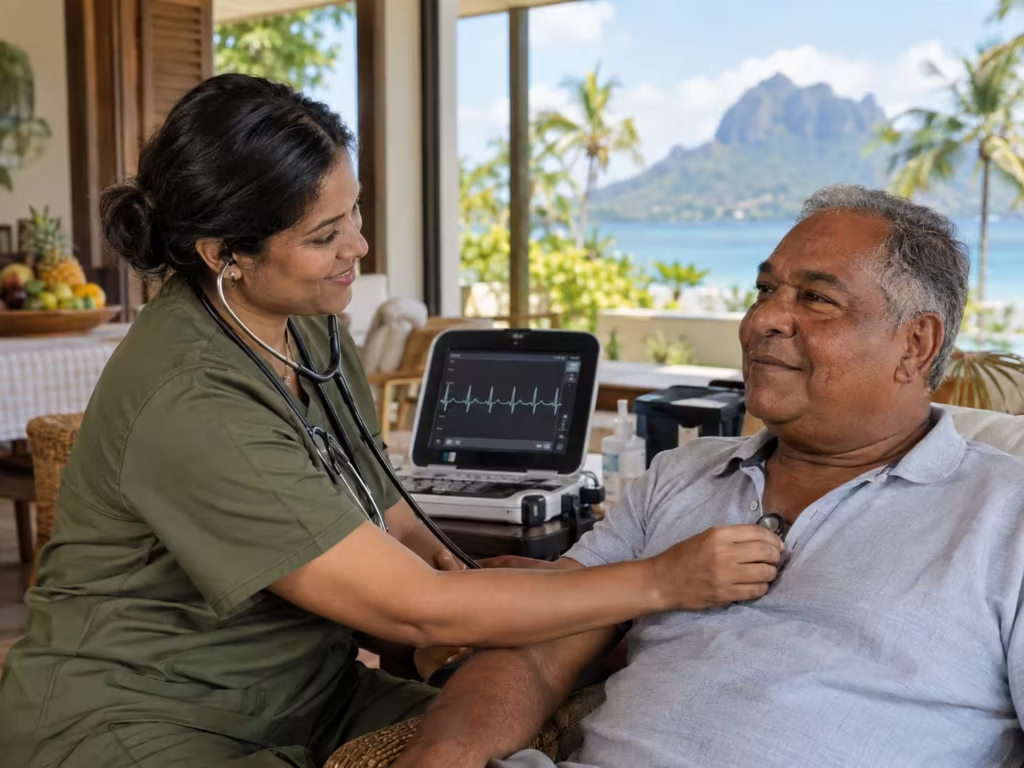
A meaningful heart assessment does not require a hospital. With Medecin a Domicile, a doctor performs it at your home, which is particularly valuable for elderly patients, busy professionals, and anyone who keeps postponing the clinic visit they know they should make.
The check includes blood pressure measurement, properly taken and interpreted; a 12-lead ECG at home, which records the heart’s electrical activity and can reveal rhythm problems, strain and signs of past damage, with immediate interpretation by the doctor; blood tests collected at home for cholesterol, blood sugar and kidney function, analysed by partner laboratories; a review of your history, family history, medications and lifestyle; and a clear, honest conversation about what your numbers mean and what, if anything, needs to change.
If something needs specialist attention, the doctor says so plainly and helps arrange it. For most people, the outcome is either reassurance backed by data, or an early warning caught while it is still just a number on a page rather than an event.
A heart check fits naturally into a general health check-up at home, which is recommended annually for adults over 40, and earlier where diabetes, hypertension or family history is in the picture.
Seven Habits That Genuinely Protect the Heart
Prevention advice is everywhere; these are the measures with real evidence behind them. Walk briskly for thirty minutes most days. Cut salt, which directly lowers blood pressure, and be wary of processed foods where most salt hides. Fill half the plate with vegetables and choose wholegrains over refined rice and flour. Stop smoking, the single most powerful change a smoker can make. Keep alcohol modest. Manage diabetes and blood pressure properly if you have them, because well-controlled conditions do a fraction of the damage. And sleep seven to eight hours, since chronic short sleep raises blood pressure and appetite together.
Pick two and start. Perfection is not required; direction is.
This World Heart Day, Do the Practical Thing
Awareness days come and go. Numbers on a page last. If you take one action this September, make it knowing your blood pressure, blood sugar and cholesterol, and having someone qualified interpret them. It takes one home visit, and it answers the question most people quietly carry: is my heart actually fine?
Frequently Asked Questions
What are the warning signs of a heart attack?
Chest pain, pressure or tightness lasting more than a few minutes, pain spreading to the arm, jaw, neck or back, shortness of breath, cold sweat, nausea or light-headedness. Call SAMU on 114 immediately if these appear. In women, heart attacks more often present as breathlessness and exhaustion without dramatic chest pain.
Can I get a heart check at home in Mauritius?
Yes. A doctor can perform a full heart assessment at your home: blood pressure, a 12-lead ECG with immediate interpretation, blood tests for cholesterol and blood sugar, and a review of your risk factors. Call 86121 to arrange it.
At what age should I start heart check-ups?
From 40, annually, for most adults. Earlier and more often if you have diabetes, high blood pressure, are a smoker, or have a family history of early heart disease. In Mauritius, where diabetes is so common, checking earlier is often sensible.
What does an ECG show?
An ECG records the heart’s electrical activity and can reveal rhythm abnormalities, signs of strain, and evidence of past or ongoing damage. It takes a few minutes, is painless, and can be done at home with immediate interpretation by the doctor.
Why is heart disease so common in Mauritius?
A high prevalence of diabetes and undiagnosed high blood pressure, combined with diet, low physical activity and smoking, gives Mauritius one of the heavier cardiovascular risk profiles in the region. Most of these factors are measurable and improvable, which is why screening matters.
Are palpitations dangerous?
Often not, but they should be assessed, especially if they come with dizziness, chest discomfort, breathlessness or fainting. An ECG during or after an episode helps identify whether the rhythm is innocent or needs treatment.
Heart disease builds silently. Checking is simple. For a heart check at your home anywhere in Mauritius, including ECG and blood tests, call 86121 or visit medecin.mu.