
Leptospirosis in Mauritius: Symptoms, Prevention, and When to Call a Doctor
Leptospirosis is one of the most serious infectious diseases affecting Mauritius, particularly during and after the rainy season. In early 2026 alone, 9 cases were reported including 3 deaths. In 2024, 80 cases were recorded, and in 2025, 41 cases resulted in 9 deaths. Cases have been identified across the island, from Quatre Bornes and Roche Bois to Riviere des Anguilles, Montagne Longue, and Pointe aux Piments.
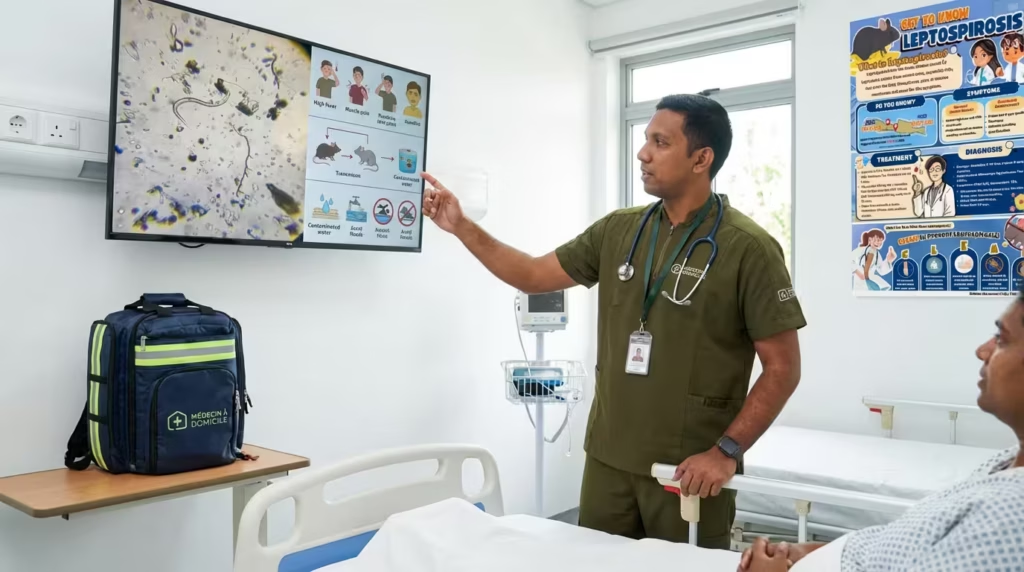
Unlike dengue or chikungunya, leptospirosis is not spread by mosquitoes. It is a bacterial infection transmitted through contact with water or soil contaminated by the urine of infected animals, primarily rats. The disease can range from mild flu-like symptoms to life-threatening organ failure if left untreated.
This guide explains what every family in Mauritius needs to know about leptospirosis: how it spreads, how to recognise it early, how to protect yourself, and when to seek medical help.
What Causes Leptospirosis?
Leptospirosis is caused by bacteria of the genus Leptospira. These bacteria live in the kidneys of infected animals, primarily rats, but also dogs, cattle, pigs, and other mammals. The animals shed the bacteria through their urine, which contaminates water, soil, and surfaces.
Humans become infected when contaminated water or soil comes into contact with broken skin (cuts, scratches, wounds), the eyes, nose, or mouth, or food and drink that has been contaminated. The bacteria can survive in warm, moist environments for weeks to months, which is why Mauritius, with its tropical climate and seasonal heavy rainfall, is particularly susceptible.
Who is most at risk in Mauritius?
People who work outdoors in wet environments are at highest risk. This includes farmers and agricultural workers, construction workers, those who handle animals or work near livestock, market vendors (particularly in areas with rodent presence, such as Port Louis central market), and anyone exposed to floodwater after heavy rain. However, anyone can be infected through everyday exposure, especially during the rainy season when flooding brings contaminated water into residential areas, streets, and gardens.
Recognising Leptospirosis Symptoms
Leptospirosis symptoms typically appear 2 to 30 days after exposure, with most cases developing symptoms within 7 to 14 days. The disease is often mistaken for the flu in its early stages, which is what makes it dangerous. Early treatment with antibiotics is highly effective, but delays can lead to serious complications.
Early symptoms (first phase)
- Sudden high fever with chills
- Severe headache
- Muscle pain, especially in the calves and lower back
- Joint pain
- Nausea, vomiting, or diarrhoea
- Red or irritated eyes (conjunctival suffusion)
- Loss of appetite
- Fatigue and general weakness
These symptoms can easily be confused with dengue, chikungunya, or a common viral infection. The key difference is the context: if symptoms appear after contact with floodwater, mud, stagnant water, or in areas known for rat activity, leptospirosis should be suspected.
Severe symptoms (second phase – Weil’s disease)
In some cases, leptospirosis progresses to a severe form known as Weil’s disease. This can develop after the initial symptoms appear to improve, then return worse. Warning signs of severe leptospirosis include:
- Jaundice – yellowing of the skin and eyes
- Dark or reduced urine output – indicating kidney involvement
- Severe abdominal pain
- Chest pain or difficulty breathing
- Persistent high fever that does not respond to medication
- Bleeding from the nose, gums, or in stools
- Swelling of the hands, feet, or ankles
- Confusion or altered consciousness
Severe leptospirosis can cause kidney failure, liver damage, meningitis, and pulmonary haemorrhage. It can be fatal without prompt treatment. If any of these severe symptoms appear, seek medical attention immediately.
How to Prevent Leptospirosis in Mauritius
Prevention focuses on avoiding contact with contaminated water and reducing the rat population around your home.
Protect yourself
- Avoid walking barefoot, especially after rain or in areas with standing water
- Wear boots, gloves, and protective clothing when working outdoors in wet conditions
- Cover any cuts, scratches, or open wounds with waterproof plasters before exposure to soil or water
- Wash hands thoroughly after any contact with soil, mud, or water that could be contaminated
- Avoid swimming or wading in rivers, streams, or floodwater, especially after heavy rain
- Wipe the tops of cans and bottles before drinking from them, as rodent urine can contaminate stored products
- Wash fruits and vegetables thoroughly before eating
Reduce rodent risk around your home
- Keep food stored in sealed containers
- Dispose of rubbish regularly and keep bins sealed
- Clear overgrown vegetation and remove debris where rats can shelter
- Block holes and gaps in walls, doors, and roofs where rats can enter
- Do not leave pet food outdoors overnight
- Report rat sightings to your local municipality for rodent control
After flooding
The risk of leptospirosis increases significantly after heavy rain and flooding. If your property has been flooded, avoid contact with floodwater wherever possible, clean and disinfect all surfaces that came into contact with floodwater, discard any food that may have been contaminated, and watch for symptoms in the 2 to 4 weeks following exposure.
Treatment for Leptospirosis
Leptospirosis is treatable with antibiotics, and early treatment is highly effective. The key is recognising the infection early, before it progresses to the severe phase.
For mild cases, oral antibiotics (typically doxycycline or amoxicillin) are prescribed, along with rest, hydration, and paracetamol for fever and pain. For moderate to severe cases, intravenous antibiotics and IV fluid therapy may be needed, along with close monitoring of kidney and liver function.
A home doctor can assess suspected leptospirosis, prescribe antibiotics immediately, administer IV fluids and IV antibiotics at your bedside if dehydration or vomiting prevents oral medication, arrange blood tests for confirmation, and determine whether hospital referral is needed based on clinical signs.
When to Call a Doctor
Call a doctor if you or a family member develops flu-like symptoms (fever, headache, muscle pain, vomiting) within 2 to 4 weeks of contact with floodwater, mud, stagnant water, or areas with rat activity. Do not wait for symptoms to become severe. Early antibiotics can prevent the disease from progressing to organ damage.
Call immediately if:
- Fever persists beyond 3 days or does not respond to paracetamol
- The eyes or skin turn yellow (jaundice)
- Urine becomes dark or output decreases significantly
- There is any unexplained bleeding
- The patient becomes confused or unusually drowsy
- Breathing becomes difficult
- An elderly patient or child develops any of the symptoms above
Medecin a Domicile provides 24/7 home doctor visits across Mauritius. A licensed doctor can assess suspected leptospirosis at home, start antibiotics immediately, administer IV treatment if needed, and arrange hospital referral if the case is severe. Call 86121 at any time.
Leptospirosis and Dengue: How to Tell the Difference
Both leptospirosis and dengue fever cause high fever, headache, and muscle pain. In Mauritius, both diseases circulate during the rainy season, and early symptoms can look almost identical. The distinguishing factors are the context of exposure (floodwater/mud/rats for leptospirosis, mosquito bites for dengue), red or irritated eyes which are more common in leptospirosis, and jaundice which occurs in severe leptospirosis but not in dengue. A doctor can clinically distinguish between the two and arrange blood tests for confirmation. If you are unsure, call 86121 for a home assessment rather than trying to self-diagnose.
Frequently Asked Questions
Is leptospirosis common in Mauritius?
Yes. Mauritius records cases every year, with peaks during and after the rainy season. In 2024, 80 cases were recorded. In early 2026, 9 cases including 3 deaths were reported within the first two months. The disease is classified as a notifiable illness under the Public Health Act.
Can leptospirosis be treated at home?
Mild cases can be treated at home with oral antibiotics prescribed by a doctor. A home doctor can also administer IV antibiotics and IV fluids at your bedside if oral medication is not tolerated. Severe cases with jaundice, kidney involvement, or breathing difficulty require hospital care.
How long does leptospirosis last?
With early antibiotic treatment, mild leptospirosis typically resolves within 1 to 2 weeks. Without treatment, the disease can progress to the severe phase within 4 to 10 days, which may require weeks of hospital care and recovery.
Can I get leptospirosis from my dog?
Yes. Dogs can carry Leptospira bacteria and transmit them through their urine. Vaccination of pets, avoiding contact with animal urine, and hand washing after handling animals are important preventive measures.
Is leptospirosis contagious between people?
Person-to-person transmission is extremely rare. The disease is almost always contracted from contaminated water or soil, not from another infected person.
Leptospirosis is preventable and treatable when caught early. If you develop flu-like symptoms after exposure to floodwater or suspect rat-contaminated environments, do not wait. Call 86121 for a 24/7 home doctor visit anywhere in Mauritius.